
Fixtures That Function Without Constant Adjustments
Toilet repair and installation in Sevierville for bathrooms experiencing leaks, weak flushing, or outdated fixtures
Toilets fail in predictable ways: water running continuously after flushing, leaks forming around the base, incomplete waste removal requiring multiple flush cycles, or handles that stick and fail to activate the flush mechanism. Toilet repair addresses these mechanical failures by replacing internal components, resealing connections, or adjusting linkages that control flushing action. Cole Plumbing services residential and commercial properties in Sevierville, installing new toilets during remodels or replacements and repairing existing fixtures when component failure affects performance.
Repair work involves diagnosing whether the problem originates in the tank mechanism, the bowl's trapway, the wax ring seal, or the fill valve and supply line. Running toilets waste water continuously as flappers fail to seat properly or fill valves don't shut off at the correct tank level. Weak flushing indicates clogged rim jets, inadequate tank water volume, or trapway obstructions that restrict flow. Installation replaces entire fixtures when cracks develop in porcelain, when water efficiency upgrades reduce consumption, or when bathroom renovations require different bowl heights or styles.
Schedule service to address toilet problems or request an installation estimate for fixture replacement during your next bathroom update.
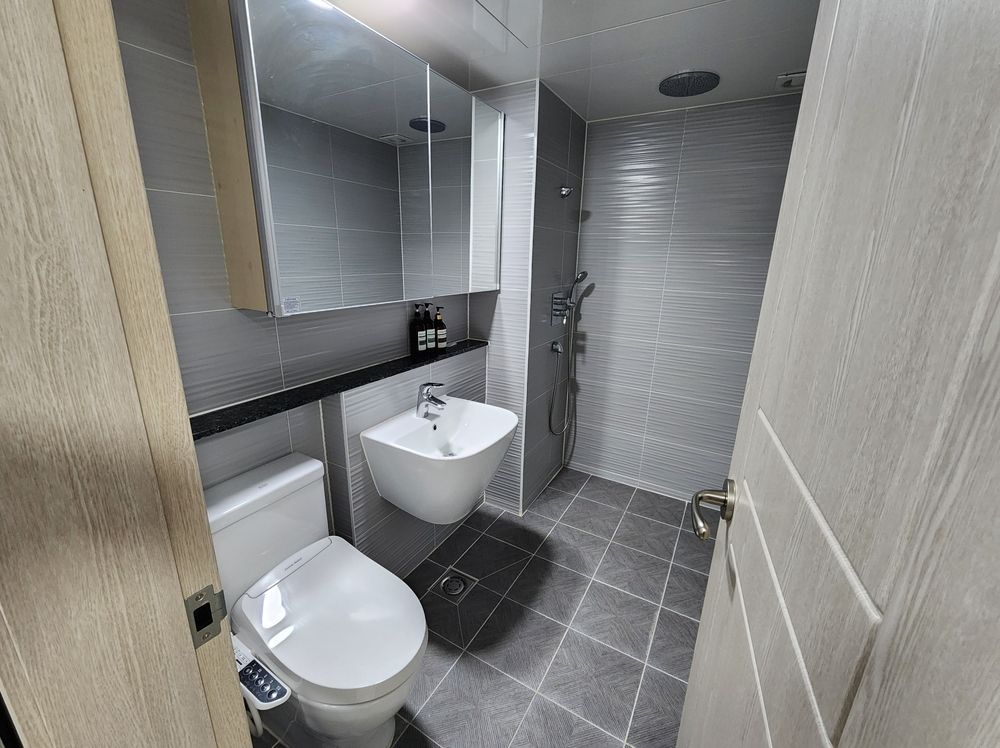
What Changes After Toilet Service Completes
Toilet repair requires identifying which component failed by testing flush valve seating, measuring fill valve shutoff timing, inspecting flapper condition, and checking whether the tank reaches proper water levels. Flappers deteriorate from mineral deposits and chemical exposure, causing them to warp and allow water to leak continuously into the bowl. Fill valves stick open when debris enters the mechanism or internal seals wear out, creating a constant trickling sound as water flows into the overflow tube.
After repair or installation, the toilet completes full flush cycles without requiring handle adjustments or multiple activations, the tank refills to the correct level and stops without continued water flow, and no water appears on the floor around the base. Modern installations reduce water use to 1.28 gallons per flush compared to older 3.5-gallon models, lowering monthly bills while maintaining waste removal effectiveness through improved bowl design and trapway engineering.
Installation work includes setting the fixture level on the floor flange, compressing a new wax ring to create a watertight seal between the bowl outlet and drain pipe, and securing bolts evenly to prevent rocking that would break the seal over time. The process also involves connecting supply lines without overtightening fittings that could crack, adjusting tank water levels for optimal flush performance, and testing multiple cycles to confirm complete operation.
Common Questions About This Service
Property owners dealing with toilet issues often ask about repair costs versus replacement benefits and what causes recurring problems.
What causes toilets to keep running after the tank refills?
The flapper valve fails to seal against the flush valve seat due to mineral buildup, rubber deterioration, or misalignment, allowing water to leak continuously into the bowl and triggering the fill valve to run constantly to maintain tank levels.
How do you stop leaks that appear around the toilet base?
Leaks at the base indicate wax ring failure, which requires removing the entire toilet, scraping old wax residue from the flange and bowl outlet, positioning a new wax ring, and resetting the fixture with even pressure to compress the seal properly.
When does installing a new toilet make more sense than repairing the existing fixture?
Replacement becomes practical when porcelain cracks appear, when multiple components fail simultaneously on older fixtures, or when water efficiency upgrades reduce consumption enough to offset installation costs through lower utility bills within a reasonable timeframe.
Why do some toilets require multiple flushes to clear the bowl?
Weak flushing results from clogged rim jets that reduce water velocity during the flush cycle, inadequate tank water levels that don't provide sufficient volume, or partial trapway obstructions that restrict waste flow even when not completely blocked.
What improvements do modern toilet installations provide in Sevierville homes?
Current fixtures use pressurized rim designs and engineered trapways to remove waste effectively with 1.28 gallons per flush, reducing water bills while taller comfort-height bowls and quiet-close seats address usability preferences that older standard fixtures don't accommodate.
Cole Plumbing repairs toilet mechanisms using replacement components matched to your fixture's brand and model, and installs new toilets with proper sealing and secure mounting to prevent future leaks. Contact our team to arrange repair service or discuss installation options for bathroom upgrades and fixture replacements.